

Master UAE Roads: Understanding Traffic Signs and Symbols
Master traffic signs in the UAE. Learn rules, speed limits, fines & safe driving tips for residents and tourists.
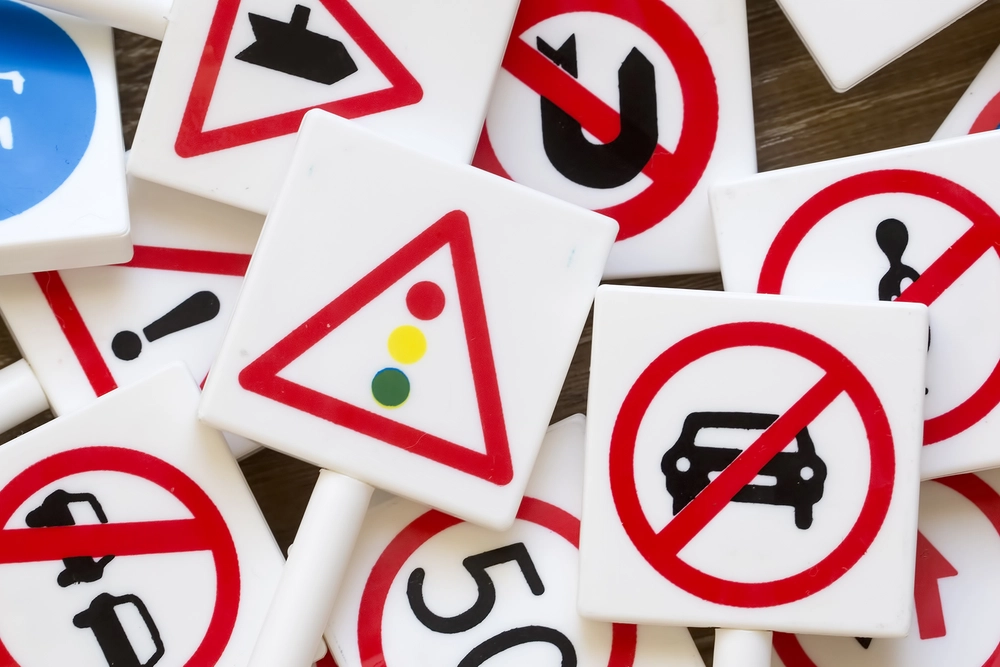
Driving in the UAE is an experience unlike anywhere else in the world. From wide multi-lane highways to ultra-modern city roads, the country’s infrastructure is built for efficiency and speed. But whether you’re a resident commuting daily or a visitor exploring Dubai for the first time, understanding traffic signs in the UAE is essential.
If you’re renting from Prime Car Rental, knowing what each sign means will help you drive confidently, avoid costly fines, and enjoy a smooth journey across the Emirates.
This guide breaks down everything you need to know about UAE traffic signs and symbols in a clear, practical way.
What Are Traffic Signs in the UAE?
Traffic signs in the UAE are official road symbols designed to regulate, warn, and guide drivers. They ensure road safety, prevent confusion, and keep traffic flowing smoothly across busy highways and city streets.
One of the biggest advantages for international drivers is that UAE road signs are bilingual displayed in both Arabic and English. This makes navigation much easier for tourists and expatriates.
Whether you’re driving to a business meeting in Downtown Dubai or heading out for a weekend desert road trip, these signs are your roadmap to safe driving.
Categories of Traffic Signs in the UAE
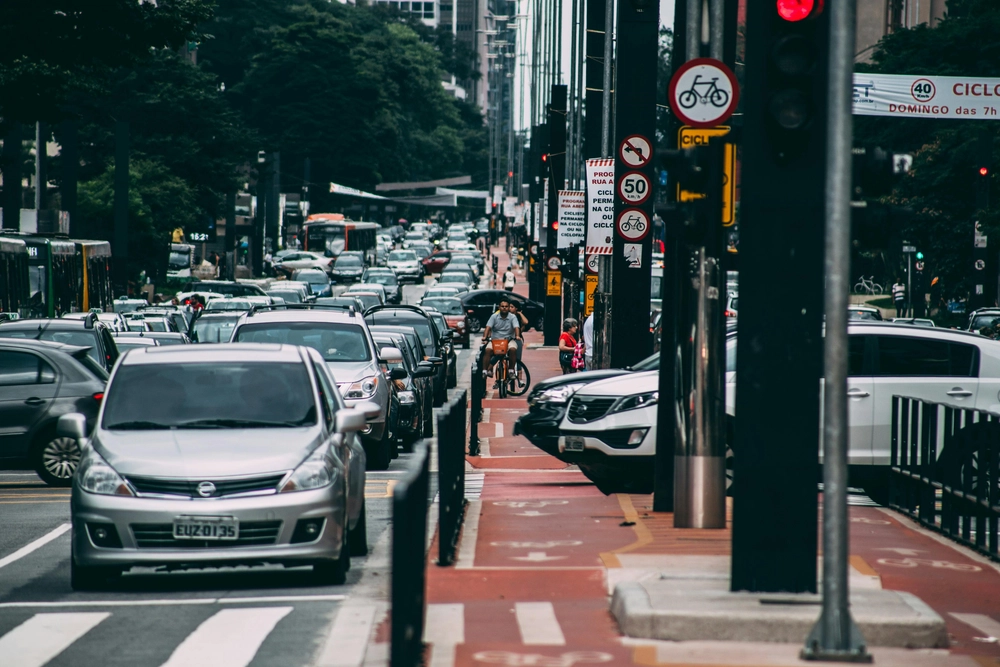
Understanding the different categories of traffic signs in the UAE makes it much easier to interpret them quickly while driving.
1. Regulatory Signs (Mandatory Rules)
Regulatory signs tell you what you must or must not do. Ignoring these signs can lead to fines, black points, or even vehicle confiscation.
These are the most important traffic signs UAE drivers must always obey.
2. Warning Signs (Hazards Ahead)
Warning signs alert drivers to potential dangers or road changes ahead. These are usually triangular with red borders.
When you see a warning sign, it’s a signal to slow down and stay alert.
3. Guide and Direction Signs
Guide signs help you navigate efficiently. These signs are especially important for tourists unfamiliar with UAE roads.
If you’re driving on major highways like Sheikh Zayed Road, guide signs will help you identify the correct lane well before your exit.
4. Temporary and Construction Signs
These signs are typically orange or yellow and indicate roadworks or temporary changes.
Always follow temporary signs carefully fines still apply in these areas.
- Stop Sign – A red octagon requiring a complete stop.
- Give Way (Yield) – An inverted triangle requiring you to give priority.
- Speed Limit Signs – Circular signs displaying maximum speed in km/h.
- No Entry – A red circular sign indicating prohibited access.
- No U-Turn / No Left Turn / No Right Turn – Clearly displayed turn restrictions.
- Roundabout ahead
- Sharp curve ahead
- Pedestrian crossing
- School zone
- Road narrowing
- Speed humps
- Highway route numbers (E-routes and D-routes)
- Exit numbers
- Directions to cities and landmarks
- Airport, hospital, and mall indicators
- Lane closures
- Road diversions
- Reduced speed zones
- Construction zones
Understanding Traffic Sign Colours in the UAE
Colours play a major role in interpreting traffic signs UAE drivers encounter daily.
Recognizing colours instantly helps you react faster without needing to read every word.
- Red – Prohibition or danger (Stop, No Entry, Speed Limit)
- Blue – Mandatory actions or highway information
- Green – Major highway directional signs
- White – Local road information
- Brown – Tourist attractions and landmarks
- Yellow/Orange – Temporary warnings or construction
Speed Limit Signs in the UAE
Speed limit signs are among the most important regulatory signs.
They are circular with a red border and display the maximum speed in kilometers per hour (km/h).
Some highways may allow up to 140 km/h depending on the emirate.
Driving within limits protects both your wallet and your safety.
- 40–60 km/h in residential areas
- 60–80 km/h on main city roads
- 100–120 km/h on highways
- Speed cameras are widely used.
- Fines can appear quickly.
- Rental drivers are fully responsible for violations.
Parking and Lane Restriction Signs
City driving in Dubai and other Emirates requires attention to parking signs and lane restrictions.
Parking Signs
Always check signage before leaving your vehicle to avoid fines.
Restricted Lanes
Unauthorized use of restricted lanes can result in penalties.
- Paid parking zone indicators
- No parking signs
- Time-restricted parking signs
- Buses
- Taxis
- Emergency vehicles
- High-occupancy vehicles (HOV)
Roundabouts and Intersection Signs
Understanding roundabout signs is especially important for visitors from countries where roundabout rules differ.
- Look for the roundabout warning sign.
- Yield to vehicles already inside the circle.
- Signal clearly before exiting.
Salik and Toll Gate Signs
If you’re driving in Dubai, you’ll encounter Salik toll gates. These are electronic toll systems without physical barriers.
Overhead signs indicate upcoming toll zones. Rental vehicles are usually registered automatically, and charges are billed accordingly.
Always be aware when passing under a toll gate to avoid confusion later.
Penalties for Ignoring Traffic Signs in the UAE
The UAE has strict traffic enforcement laws.
Ignoring traffic signs UAE regulations can result in:
For rental customers, fines are typically transferred to the renter along with administrative charges.
Driving responsibly protects you legally and financially.
- Heavy fines
- Black points on your license
- Vehicle impoundment
- Increased insurance costs
- Running a red light can result in substantial fines and black points.
- Excessive speeding may lead to vehicle confiscation.
Essential Tips for Tourists Driving in the UAE
If you’re visiting and renting a vehicle, keep these tips in mind:
Road signs are clear and well-maintained, so staying attentive is usually all it takes.
- All speed limits are in km/h – not miles.
- Lane discipline is strictly enforced – especially on highways.
- Do not tailgate – it’s illegal and monitored.
- Check mirrors frequently – highways can be fast-paced.
- Plan exits early – multi-lane roads require early positioning.
Why Understanding Traffic Signs UAE Matters
Whether you’re driving a compact car for daily errands or a luxury vehicle for a special occasion, road awareness enhances your entire experience.
Understanding traffic signs UAE roads use helps you:
Modern UAE roads are designed for efficiency but they require responsible driving.
Mastering traffic signs in the UAE is not complicated, it simply requires awareness and attention. From regulatory signs to highway guides and parking rules, each symbol plays a role in maintaining safety and order.
For residents, this knowledge ensures smooth commuting. For tourists, it transforms an unfamiliar driving experience into an enjoyable one.
When you rent with Prime Car Rental, you’re not just getting a vehicle, you’re gaining the freedom to explore the UAE at your own pace.
- Avoid unexpected fines
- Drive confidently in new areas
- Navigate highways smoothly
- Stay safe in busy traffic
- Protect your rental agreement
Frequently Asked Questions
How many traffic signs are there in Dubai?
The Dubai Roads and Transport Authority (RTA) has revealed that the emirate now has around 210,000traffic signs in place as of the third quarter of 2025.
Do all traffic lights in Dubai have cameras?
While Dubai is famous for its state-of-the-art transportation systems, not every traffic signal in the city has a monitoring camera. However, a large portion of intersections and traffic signals across Dubai are equipped with advanced surveillance systems.
What happens if you accidentally cross a traffic light in Dubai?
What happens if you accidentally cross a red light in Dubai? Intentional or accidental, the penalties remain the same, AED 1,000 fine, 12 black points, and possible vehicle impoundment.
What happens if you run a yellow light and it turns red in Dubai?
In Dubai, a yellow light means prepare to stop! Not speed up. If you can stop safely, you must. If you enter while it turns red, it's treated as a red-light violation, AED 1,000 fine + 12 black points.